Last Updated: October 29, 2026
Quick Summary
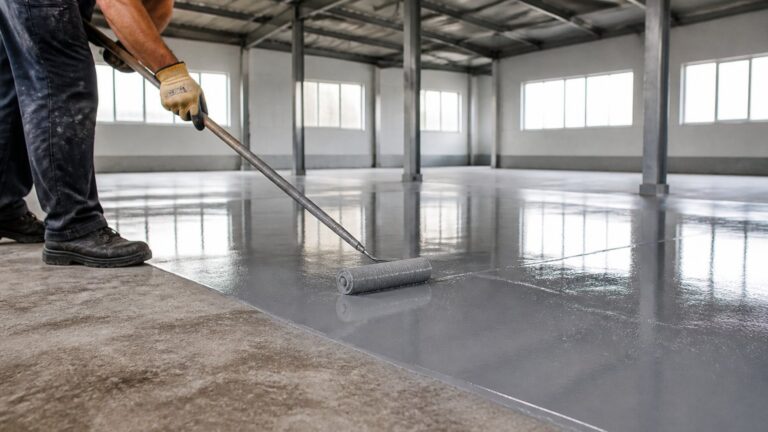
Chemical resistant flooring for workshops is a resin-based coating engineered to seal concrete against spills like battery acid, hydraulic fluid and thinners. It pays off where forklift traffic and aggressive chemicals would otherwise damage a bare slab. Choose epoxy for general workshop bays, polyurethane for exposed areas and vinyl ester for strong acids.
- Epoxy offers high chemical strength for general workshops and warehouses but has poor UV stability.
- Vinyl ester suits battery rooms and chemical plants because of its very high chemical resistance.
- Machining and coolant areas need a P4 slip rating or higher for oil-wet conditions.
- Ramps and dock levellers should be rated R11 or higher for inclined, oil-wet surfaces.
- Professional application includes diamond grinding and moisture testing, while DIY kits often rely on acid etch only.
Table of Contents
- Why Chemical Resistant Flooring for Workshops Pays Off
- Epoxy Flooring for Workshops vs Polyurethane and Acid Resistant Flooring
- Slip Resistant Industrial Flooring and Australian Slip Ratings
- Concrete Floor Preparation for Epoxy: Where Most Coatings Fail
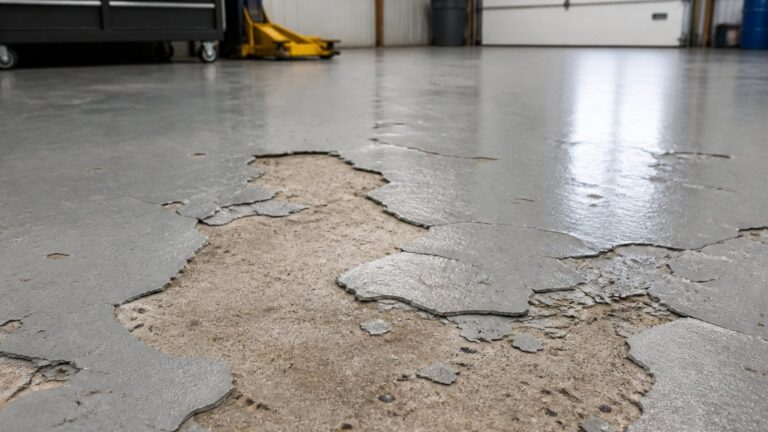
- DIY vs Professional Installation: What Actually Goes Wrong
- Environmental Impact, VOCs and Repair
- Frequently Asked Questions
Why Chemical Resistant Flooring for Workshops Pays Off
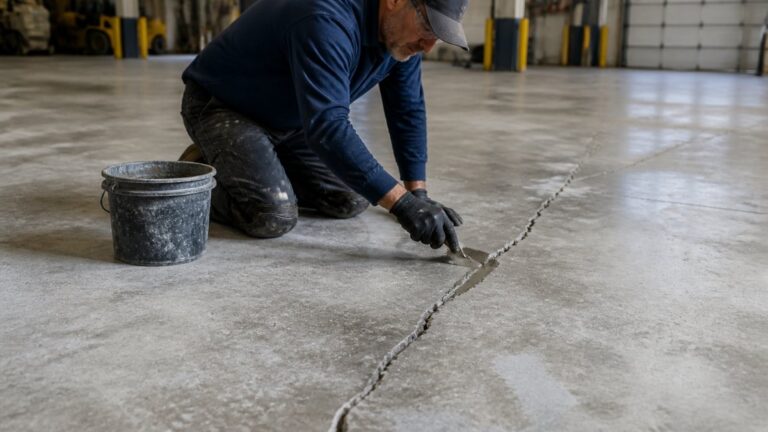
Workshop floors face battery acid, hydraulic fluid, thinners, hot metal swarf and constant forklift traffic. Before coating, it helps to know how to repair cracks in industrial concrete floors. Chemical resistant flooring for workshops is a resin-based coating engineered to seal concrete against those spills. If you plan to apply epoxy yourself, learn why DIY epoxy floors peel and how to avoid it. Readers weighing the investment can check the industrial floor coating cost per square metre guide before committing. At Apex Custom Coatings, over 15 years of industry experience informs our work. For a deeper verdict while comparing systems, see is epoxy garage flooring worth it.
Epoxy Flooring for Workshops vs Polyurethane and Acid Resistant Flooring
|
System |
Best For |
Chemical Strength |
UV Stability |
Typical Use |
|---|---|---|---|---|
|
Epoxy |
General workshops, warehouses |
High |
Poor |
Internal slabs, heavy traffic |
|
Polyurethane |
Exposed areas, thermal movement |
Moderate |
Excellent |
Loading docks, aprons |
|
Vinyl ester |
Strong acids, aggressive chemicals |
Very high |
Moderate |
Battery rooms, chemical plants |
Slip Resistant Industrial Flooring and Australian Slip Ratings
|
Area |
Suggested Rating |
Why |
|---|---|---|
|
Dry workshop bays |
P2 or P3 |
Low spill risk, foot traffic |
|
Machining and coolant areas |
P4 or higher |
Oil-wet conditions |
|
Ramps and dock levellers |
R11 or higher |
Inclined, oil-wet surface |
Concrete Floor Preparation for Epoxy: Where Most Coatings Fail
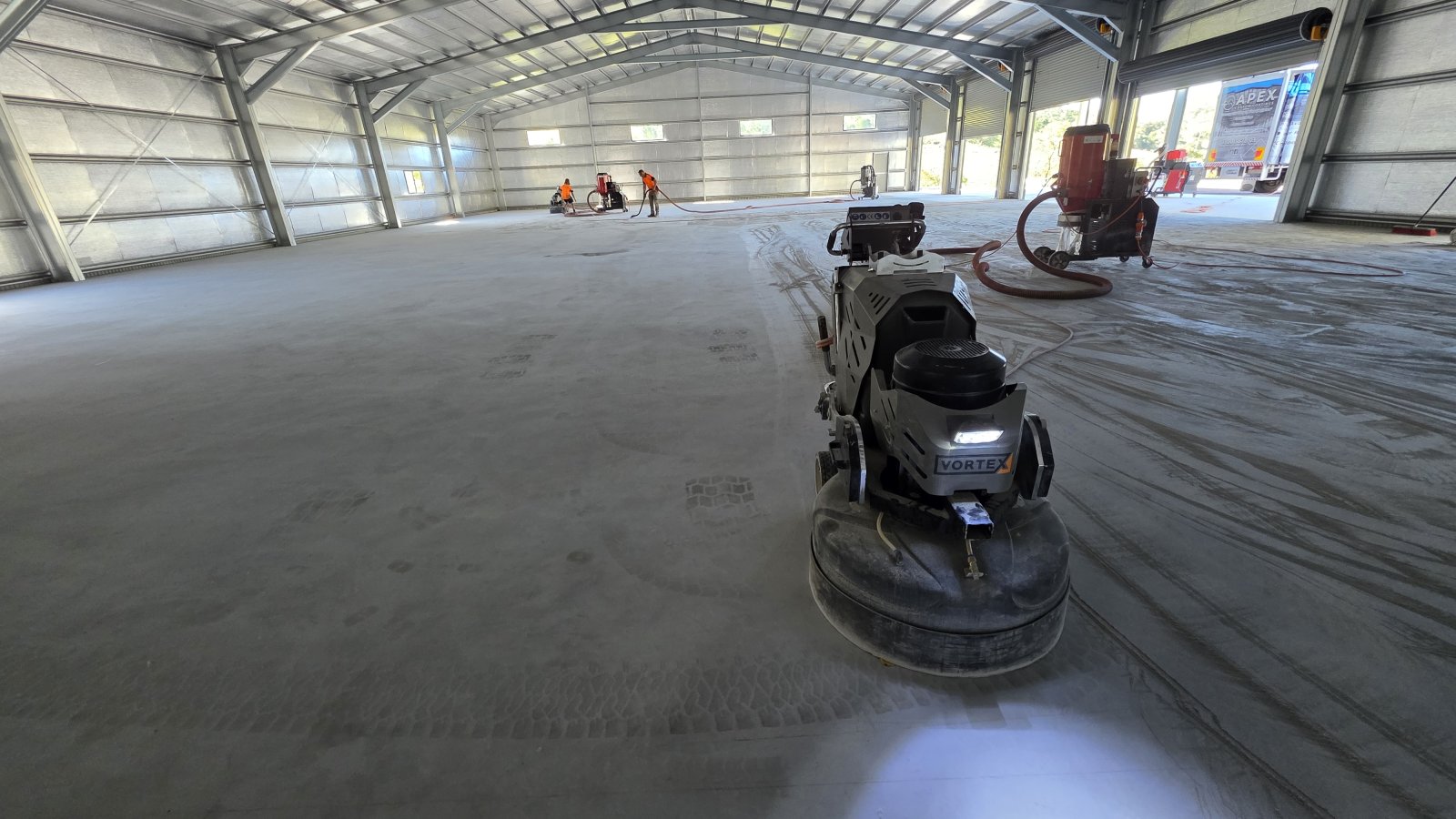
Process diagram of concrete surface preparation required for durable chemical resistant flooring installation
For authoritative guidance, the CSIRO building and construction research publishes technical material on concrete durability, and Standards Australia maintains the AS 4586 slip resistance standard referenced above. Safe Work Australia’s model Code of Practice on managing hazardous chemicals sets out how chemical spills in the workplace should be contained, which is where a sealed, impervious floor earns its place in a safety management plan.
DIY vs Professional Installation: What Actually Goes Wrong
|
Factor |
DIY Kit |
Professional Application |
|---|---|---|
|
Surface preparation |
Often acid etch only |
Diamond grinding or blasting |
|
Moisture testing |
Rarely done |
Standard step |
|
Warranty |
Limited or none |
Backed by the applicator |
Environmental Impact, VOCs and Repair
Apex Custom Coatings has over 15 years of industry experience and provides epoxy coatings, commercial epoxy coatings and concrete sealing. Contact us today.
Frequently Asked Questions
Is epoxy flooring suitable for workshops?
Apex Custom Coatings provides epoxy coatings. Contact us to discuss your workshop flooring needs.
Can chemical resistant flooring also be slip resistant?
Apex Custom Coatings provides textured resurfacing. Contact us to discuss your flooring requirements.
How should chemical spills be cleaned from coated concrete floors?
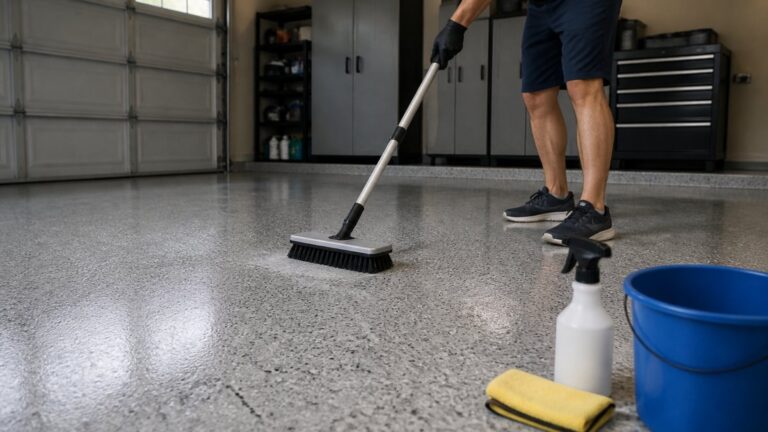
Clean spills promptly rather than letting them pool. For oils and coolants, absorb the bulk first, then clean with a pH-neutral detergent and a soft brush or autoscrubber. Avoid strong solvents and concentrated acids sitting on the surface for long periods, even on acid resistant flooring, and never use harsh degreasers at full strength. Keep a spill kit near refuelling and decanting areas, and check with your coating supplier before using any new cleaning chemical on the floor.