Last Updated: November 2, 2026
Quick Summary
Long lasting concrete sealing starts with a dry, properly prepared slab, the right sealer chemistry for the exposure, and enough coats at the correct coverage rate. Penetrating silane or silicone-based sealers suit driveways and exposed slabs because they resist water and UV without a film that can peel. Surface preparation, including pressure cleaning, degreasing and acid etching, decides whether a sealer bonds or fails.
- Penetrating sealers soak into pores and react below the surface, while film-forming sealers sit on top as a clear film or gloss finish.
- A film-forming sealer over concrete still releasing moisture traps vapour and causes blistering or cloudiness within months.
- Repair cracks before sealing, never after, and test moisture before applying product.
- Apply at the manufacturer’s coverage rate, usually two coats, then respect drying and full cure time before traffic.
- Application failures commonly trace to too much product per coat, applying in direct sun or wind, or sealing a damp slab.
Table of Contents
- What Makes Concrete Sealing Last Longer
- Choosing the Best Concrete Sealer for Driveways and Exposed Slabs
- Concrete Sealer Preparation: The Step That Decides the Outcome
- Frequently Asked Questions
What Makes Concrete Sealing Last Longer
Long lasting concrete sealing starts with a dry, properly prepared slab, the right sealer chemistry for the exposure, and enough coats at the correct coverage rate.
Concrete sealing applies a protective coating or penetrating treatment to limit water, oil and contaminant ingress while improving wear and UV resistance. Penetrating sealers soak into the pores and react below the surface; film-forming sealers sit on top as a clear film or gloss finish.
Penetrating products generally stay breathable and nearly invisible, suiting exterior slabs and driveways. Film-forming products generally give stronger stain resistance and colour enhancement but can trap moisture on damp slabs.
| Sealer Type | How It Works | Best For | Watch Point |
|---|---|---|---|
| Penetrating (silane/silicone) | Soaks into pores, repels water from within | Driveways, exposed slabs, exterior surfaces | Little visible change, no gloss |
| Water-based film-forming | Acrylic film, low odour, fast drying | Interior surfaces, stamped concrete | Can blush if applied too thick |
| Solvent-based film-forming | Harder film, stronger colour enhancement | High-traffic decorative concrete | Strong fumes, needs ventilation |
Durability comes down to what the slab endures, so the sealer must match the job. For heavy-duty interior floors needing chemical resistance and impact strength, an epoxy coating system may be worth considering alongside a standard sealer.
Choosing the Best Concrete Sealer for Driveways and Exposed Slabs
Penetrating silane or silicone-based sealers are commonly suited to driveways on bare, cured concrete, as they resist water and UV without a film that can peel. Exposed slabs often need breathability more than gloss.
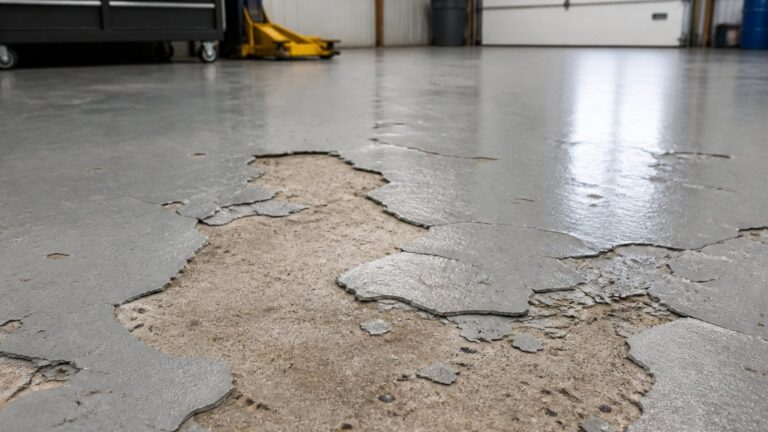
A film-forming sealer over concrete still releasing moisture traps vapour and causes blistering or cloudiness within months. A simple moisture test before you buy saves the whole job.
Exterior driveways and sheltered interior slabs wear at different rates, so reseal intervals depend on the surface and its exposure. Indicators: water no longer beads, the finish looks chalky or worn in traffic lanes, or stains soak in rather than sitting on top.
Concrete Sealer Preparation: The Step That Decides the Outcome
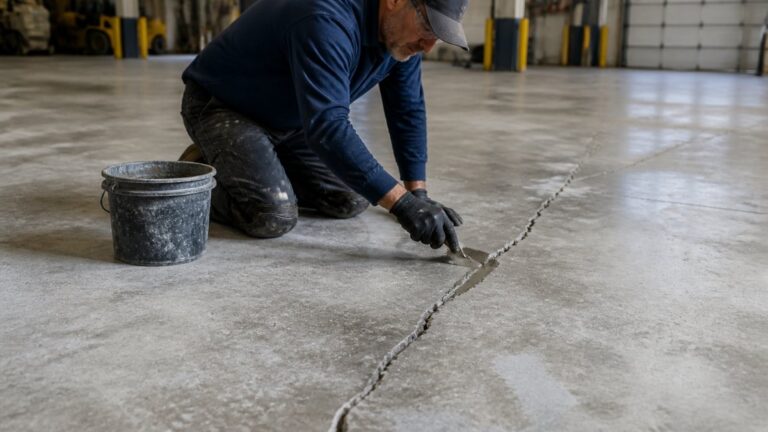
Surface preparation decides whether a sealer bonds or fails. Pressure cleaning removes embedded dirt, degreasing lifts oil stains, and acid etching opens the pores so the product can penetrate. Repair cracks before sealing, never after. For guidance on fixing existing damage, see How to Repair Cracks in Industrial Concrete Floors.
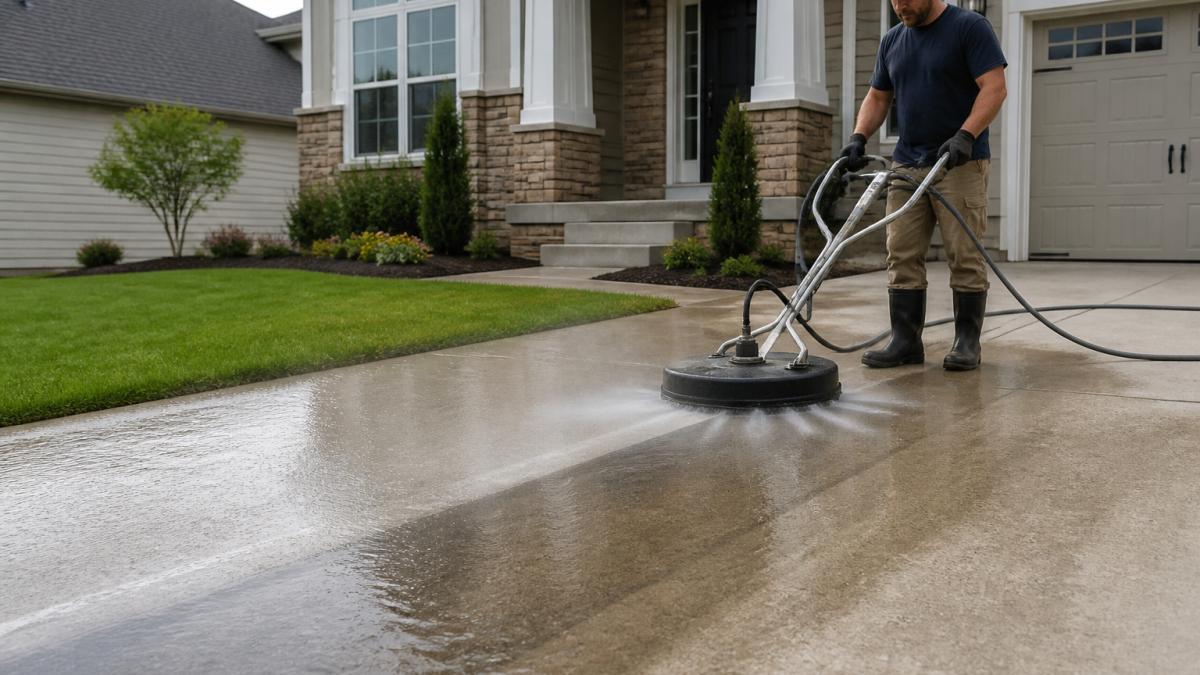
- Clear the slab and inspect for cracks, spalling and previous coatings
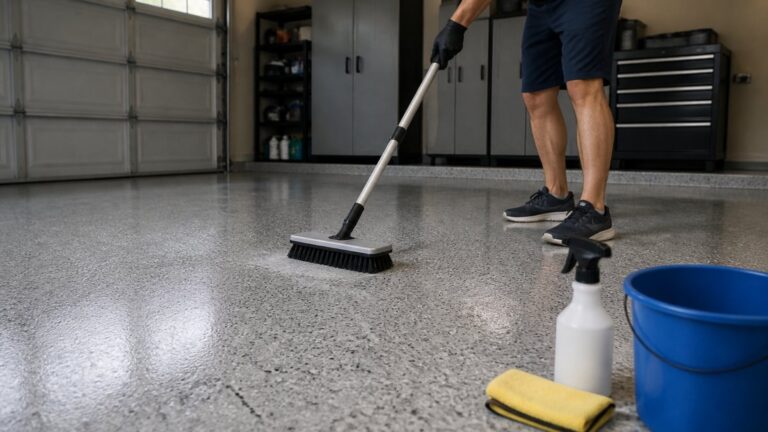
- Degrease oil stains and scrub with a stiff broom
- Pressure clean and let it dry completely
- Repair cracks and let the repair material cure
- Test moisture
- Apply at the manufacturer’s coverage rate, usually two coats
- Respect drying and full cure time before traffic
Application failures commonly trace to causes such as too much product per coat, applying in direct sun or wind, sealing a damp slab, or recoating without checking compatibility.
Ventilation matters with solvent-based products, and local rules govern runoff from pressure cleaning and chemical stripping.
Concrete that holds its finish was prepared properly and sealed to suit its exposure. Apex Custom Coatings brings over 15 years of industry experience, premium materials and strict safety compliance to every project, handling concrete sealing, textured resurfacing and coating removal as a complete system, backed by reliable warranties and exceptional customer service. Contact us today to discuss your slab protection needs.
Frequently Asked Questions
What is the longest-lasting sealer for concrete?
There is no single winner, but penetrating sealers built on silane or silicone derivatives generally hold up longest on exterior concrete because they soak into the pores rather than sitting on top as a film. They resist UV and weather without peeling, because there is nothing to peel. Film-forming sealers give a glossier finish and stronger stain resistance but wear faster under traffic. Match the sealer to the slab, the exposure and how it is used.
How often should a concrete driveway be resealed?
Penetrating sealers on a driveway need refreshing at intervals that depend on the surface and its exposure, while film-forming sealers may need attention sooner under heavy traffic. Watch the surface rather than the calendar: water beading instead of soaking in is a good sign, and water darkening the concrete quickly means the protection has faded.
Can you apply concrete sealer over an old sealer?
Only when the new product is compatible with the old one and the existing coating is sound. A film-forming sealer applied over a failing or incompatible layer will blister and peel. Test a small patch first, and strip old coatings where they are flaking. For penetrating sealers, most manufacturers allow reapplication once the surface is clean and dry, but trapped moisture is the usual cause of cloudy patches, so test before you commit.